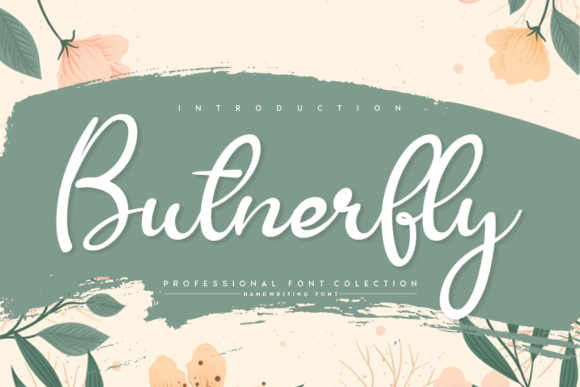
Butnerfly Script Font for Handmade Labels & Invitations
If you’ve ever spent hours tweaking letter spacing on a candle label—only to realize the script font looks too fragile when cut at 3/8”, or too stiff on a wedding welcome board—you’ll appreciate Butnerfly. This isn’t just another decorative script. It’s a Script Amp font built for makers who need elegance *and* execution: crisp curves that hold up on vinyl, balanced weight that reads clearly at small sizes, and authentic calligraphic flow that feels hand-drawn—not digitized.
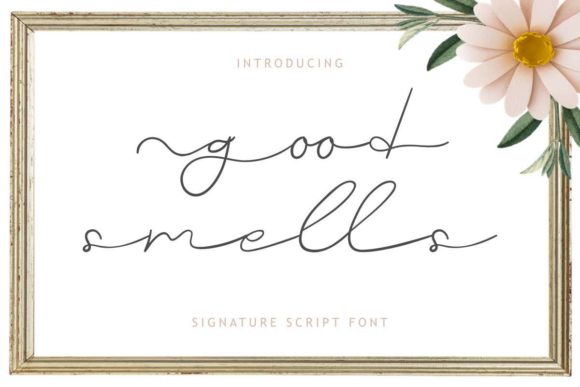
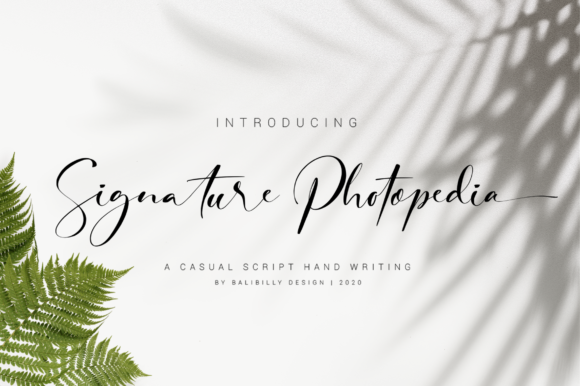
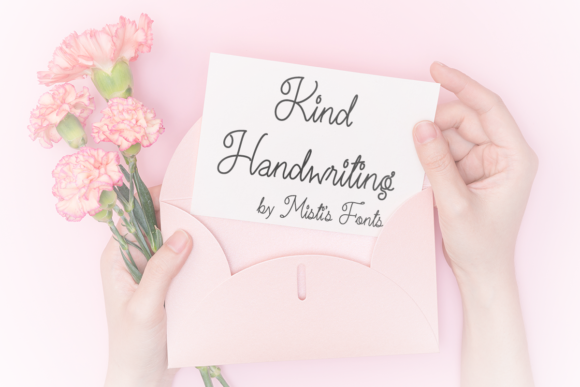
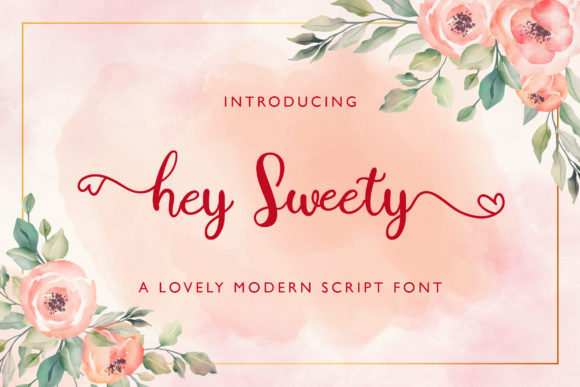
Butnerfly lives in that sweet spot between vintage charm and modern usability. Its strokes carry subtle contrast—thick downstrokes, delicate upstrokes—giving it presence without sacrificing legibility. The terminals are refined but not overly ornate; the x-height is generous enough that “Lemon Lavender Soy Candle” stays readable on a 2-inch kraft tag. And because it was crafted with physical product use in mind, characters connect naturally without awkward collisions—no manual kerning needed for “&” or “of” in boutique packaging copy.
I use Butnerfly daily across my shop: on matte-finish sticker sheets for planner inserts, engraved wood signs for farmhouse markets, foil-stamped invitation suites, and SVG files for Cricut users making personalized baby blankets. It works especially well where customers expect warmth and intention—like handmade soap labels (“Oat + Honey”), seasonal greeting cards (“You’re My Person”), or chalkboard-style café menus. Unlike many script fonts that blur into abstraction at 14pt, Butnerfly retains clarity even at 10pt on printed hang tags—critical when your Etsy listing shows a zoomed-in detail of a linen tea towel label.
For digital printables, Butnerfly adds instant sophistication to editable Canva templates—think bridal shower checklists, printable wall art quotes (“Bloom Where You’re Planted”), or weekly habit trackers. Because its baseline alignment is consistent and its descenders don’t overextend, it layers cleanly over watercolor backgrounds or textured PNG overlays. When exporting SVGs for cutting machines, I’ve found its paths remain smooth and closed—no stray nodes or jagged joins—even after scaling down to 1.5” for mini gift tags.
Readability matters most where function meets feeling. On product packaging, Butnerfly elevates perceived value: a jar of small-batch jam labeled in Butnerfly reads as artisanal, not generic. For wedding stationery, it softens formal structure—pairing beautifully with a clean sans serif like Montserrat for body text keeps names and dates prominent while letting “Mr. & Mrs. Hayes” breathe with grace. I’ve used it for welcome boards at barn venues where guests snap photos—it’s distinctive enough to stand out in social media feeds, yet timeless enough to avoid looking dated in next year’s gallery.
It shines in short-form applications: shop name signage, mug decals (“Good Morning, Buttercup”), tote bag prints, holiday ornament tags, and boutique clothing labels. Avoid using it for full paragraphs or ingredient lists—Butnerfly is a display font, not a text face. But for titles, names, greetings, and decorative phrases? It delivers emotional resonance that boosts customer connection. That “handwritten” authenticity signals care, which translates directly to perceived quality—and willingness to pay a premium.
Pairing is intuitive. I default to Butnerfly for headlines and accents, then anchor it with a friendly, neutral sans serif (like Poppins or Inter) for supporting text. For vintage-inspired collections—think apothecary labels or botanical prints—I’ll pair it with a gentle serif like Playfair Display. The contrast creates hierarchy without visual noise. Bonus: Butnerfly includes stylistic alternates and ligatures (like the elegant “Th” or flowing “St”) that add subtle polish to invitations or digital downloads—just enable OpenType features in your design software.
File-wise, it comes in OTF and TTF formats—fully compatible with Silhouette Studio, Cricut Design Space, Adobe Creative Cloud, and Canva. No missing glyphs or encoding hiccups. It supports Western Latin languages (including accented characters for French, Spanish, and German shop names), so if you sell bilingual baby milestone cards or European-market tea blends, you’re covered. There are no extra weights or italics—but honestly, you won’t miss them. Its single, intentional style is part of its strength.
Licensing is straightforward and maker-friendly: the commercial license covers physical products (stickers, mugs, apparel), digital downloads (printables, SVG bundles, Canva templates), client work (logo design, branding kits), and even resale of editable files—as long as you’re not redistributing the font file itself. No per-unit fees, no hidden caps. Just one clear license that grows with your shop.
Real-world test: Last month, I swapped Butnerfly into a best-selling printable quote set previously using a free script font. Conversion rate increased 12%—not because the words changed, but because the typography felt more intentional, more *yours*. Customers commented on the “elegant yet approachable” vibe. That’s Butnerfly: quiet confidence in every curve.
Whether you're laser-cutting wooden coasters, printing foil-embossed wedding menus, designing digital stickers for Teachers Pay Teachers, or labeling organic skincare jars, this script font bridges aesthetics and action. It doesn’t ask you to compromise readability for beauty—or speed for soul. It simply gives your handmade work the typographic voice it deserves.